Space Planning
- Home // Services
Space Planning :
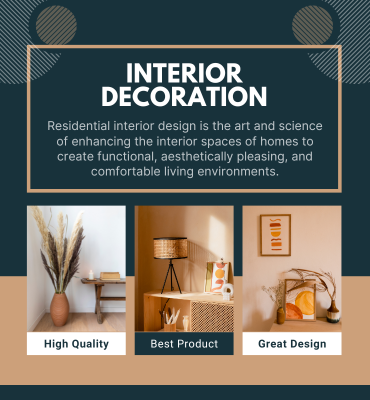
Space Planning is the art and science of enhancing the interior spaces of homes to create functional, aesthetically pleasing, and comfortable living environments. It involves a comprehensive process of planning, designing, and executing interior spaces that align with the needs, preferences, and lifestyle of the homeowners. Here's a breakdown of the key components and aspects of residential interior design:
Space Planning:
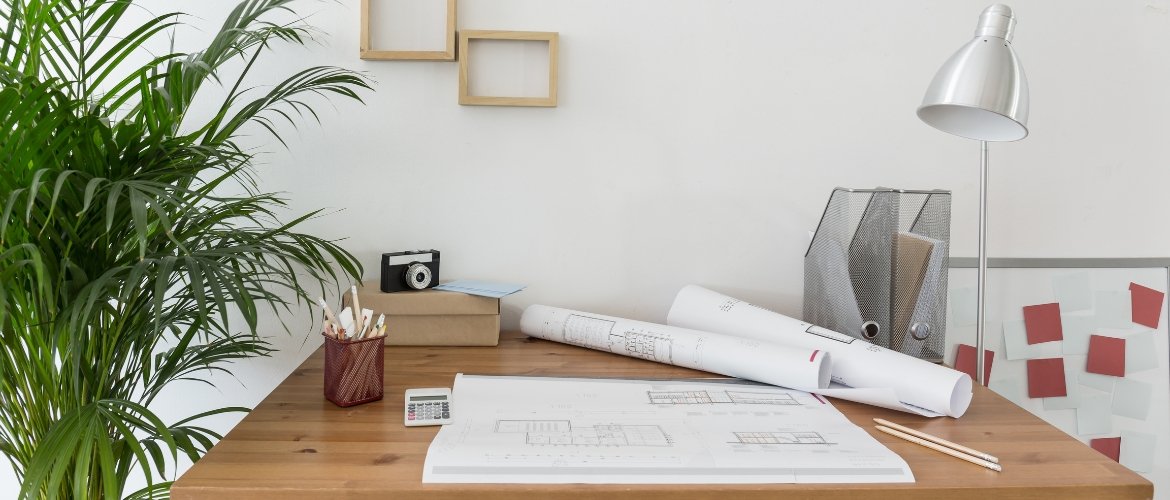
Space planning is the foundation of any residential interior design project. It involves optimizing the layout of rooms and furniture to maximize functionality, traffic flow, and utilization of space. Effective space planning ensures that each area serves its purpose efficiently and harmoniously.
Color Palette and Materials:
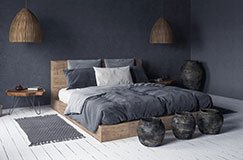
Choosing the right color palette and materials sets the tone for the entire interior. Designers select colors, textures, fabrics, and materials that complement each other and resonate with the homeowner's style. This includes paint colors, wallpapers, flooring materials, tiles, fabrics, and more.
Furniture Selection and Arrangement:
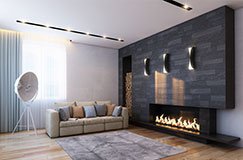
Selecting furniture that matches the design style and fits the space is crucial. Furniture should not only be aesthetically pleasing but also comfortable and functional. Arranging furniture in a balanced and cohesive manner ensures a harmonious atmosphere.
Lighting Design:
Lighting plays a significant role in residential interiors. Designers work with ambient, task, and accent lighting to create various moods and enhance functionality. Proper lighting can highlight architectural features, artworks, and create a welcoming ambiance.
Decor and Accessories:
Decorative elements such as artwork, sculptures, rugs, curtains, and accessories personalize the space and add layers of visual interest. These elements tie the design together and reflect the homeowner's personality and preferences.
Kitchen and Bathroom Design:
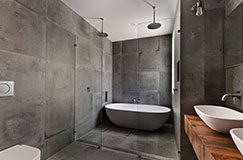
Designing functional and aesthetically pleasing kitchens and bathrooms is essential in residential interior design. These spaces require careful consideration of storage, layout, fixtures, and finishes.
Custom-designed elements like built-in shelving, cabinetry, and furniture can optimize space utilization and create a unique look. These elements can be tailored to the homeowner's needs and the overall design concept.
Textiles such as cushions, curtains, upholstery, and bedding add warmth and comfort to residential interiors. Coordinating these soft furnishings with the overall design scheme enhances visual appeal.
Many homeowners are increasingly interested in environmentally friendly and sustainable design practices. Integrating eco-friendly materials and energy-efficient solutions can be an important aspect of residential interior design.
From conceptualization to execution, interior designers oversee the entire process. This includes coordinating with contractors, suppliers, and artisans to ensure the design vision is brought to life.
Residential interior designers work within a specified budget to deliver a design that meets the client's requirements while managing costs effectively.
In summary, residential interior design is a comprehensive process that involves combining creativity, functionality, and aesthetics to transform living spaces into beautiful, functional, and personalized environments. Designers consider the homeowner's lifestyle, preferences, and needs to create spaces that are not only visually appealing but also enhance the quality of life.
Get in Touch
Other Services

Choosing the right color palette and
materials sets the tone for the entire interior.

Space planning is the foundation of any
residential interior design project.

Choosing the right color palette and
materials sets the tone for the entire interior.

Choosing the right color palette and
materials sets the tone for the entire interior.